Is Anua Niacinamide Serum Good for Sensitive Skin?
Sensitive skin can make choosing a new serum feel confusing. In this guide, we’ll look at Anua Niacinamide Serum, its key ingredients, possible irritation, and how to use it safely if your skin is easily irritated.
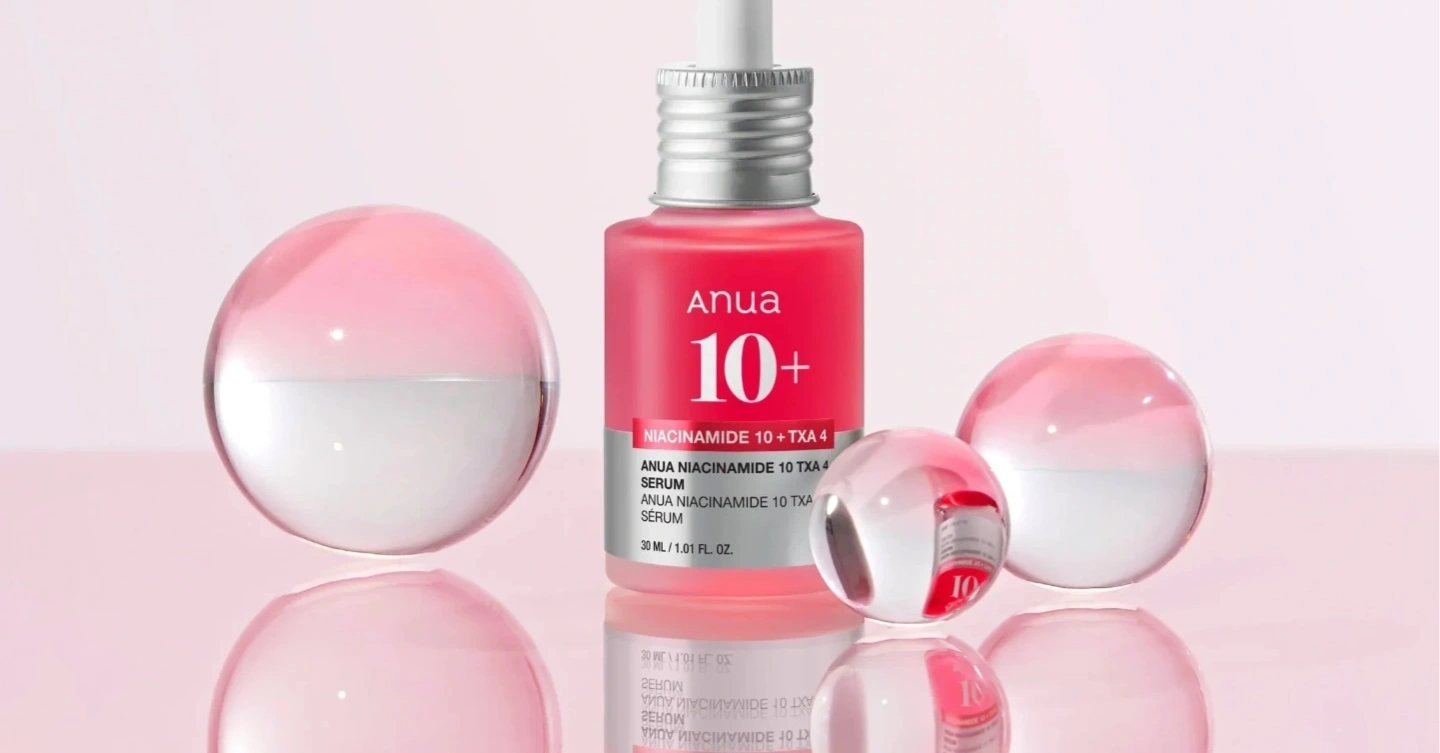
Does your skin turn red or itchy when you try a new beauty product? If so, you already know how stressful skincare shopping can be. Niacinamide has a name for being gentle, but "gentle" doesn't always mean safe for everyone. So is Anua Niacinamide serum good for sensitive skin, or is that just a marketing claim?
Let's break it down in simple words, covering what's inside the bottle, how it acts on reactive skin, what to watch for, and how to use it the right way.
What Does "Sensitive Skin" Mean?
Before we talk about the serum, let's look at what sensitive skin actually means. Sensitive skin isn't one single condition, but more of a skin type that reacts faster and stronger than normal skin does.
People with sensitive skin often notice:
Redness that shows up quickly after a new product
Stinging or burning with certain ingredients
Dryness or flaking, even with regular lotion
A tight feeling after washing the face
Breakouts triggered by rich, heavy creams
Sensitive skin can come from a weak skin barrier, a condition like eczema or rosacea, or years of using harsh products. Knowing your own triggers is the first step before trying any new serum, including this one.
What Is Anua Niacinamide Serum, Exactly?
The Anua Niacinamide 10% + TXA 4% Dark Spot Correcting Serum is a Korean skincare serum built around two main ingredients: niacinamide and tranexamic acid, often shortened to TXA. Niacinamide is a form of vitamin B3 known for calming redness and evening out skin tone. TXA is often added to fade dark spots and old acne marks. The formula also includes hyaluronic acid for hydration and ceramides to support the skin barrier.
This mix is why the serum is aimed at people dealing with dullness, uneven tone, or old acne marks, while still trying to stay gentle on the skin.
A Closer Look at the Key Ingredients
It helps to know what each main ingredient actually does, instead of just trusting the label.
Niacinamide (Vitamin B3)
Niacinamide is one of the most studied skincare ingredients around. It strengthens the outer layer of skin, reduces redness, controls extra oil, and slowly fades dark spots over time. It doesn't peel or scrub the skin, so most reactive skin types tend to handle it well.
Tranexamic Acid (TXA)
Tranexamic Acid (TXA) was first used in medicine to help wounds heal. In skincare, it's added to calm inflammation and fade the kind of dark spots that acne often leaves behind. It's considered mild, but it's still an active ingredient doing real work on the skin, not just a filler.
Hyaluronic Acid
Hyaluronic Acid pulls moisture into the skin and helps hold it there. Hydration matters a lot for sensitive skin, since dry skin tends to react more easily than skin that stays well moisturized.
Ceramides
Ceramides are natural fats that your skin already makes on its own. Adding them back through a serum helps repair and protect the skin barrier, which is often the real reason sensitive skin overreacts in the first place.
Why Niacinamide Is Usually Safe for Sensitive Skin
Niacinamide has become popular in sensitive skin routines for good reason. Here's why skin doctors often recommend it over stronger actives like retinol or acids:
It doesn't exfoliate the skin. Unlike AHAs or BHAs, niacinamide doesn't strip away skin cells, so it's less likely to cause peeling or stinging.
It supports the skin barrier. A stronger barrier holds moisture better and reacts less to outside irritants.
It calms visible redness. Many people with rosacea-prone or reactive skin use it just to reduce blotchy patches.
It works at a low pH. This makes it easier for brands to build a formula that won't sting sensitive skin.
Most studies show that niacinamide is well tolerated at levels up to 10%. That's exactly the strength used in this Anua serum.
Where Sensitive Skin Users Should Be Careful
Niacinamide itself is gentle, but a full serum is never just one ingredient. This is where sensitive skin users need to slow down and read the label carefully.
Fragrance in the Formula
This serum contains added fragrance. Fragrance is one of the most common triggers for redness, itching, and allergic reactions in sensitive or eczema-prone skin. If scented products have bothered your skin before, this detail matters more than the niacinamide itself.
TXA Is Still an Active Ingredient
TXA is generally mild, but it's still an active brightening ingredient. Combined with niacinamide, this serum does more work on the skin than a plain, single-ingredient niacinamide product would. That's great for dark spots, but it also leaves more room for a reaction if your skin gets upset easily.
Mixing with Other Actives
Sensitive skin often reacts not to one product alone, but to too many actives stacked together. If you already use retinol, vitamin C, or exfoliating toners, adding this serum on top can push your skin barrier too far.
How This Serum Compares to Simpler Niacinamide Options
Not every niacinamide serum is built the same way, and that difference matters a lot for sensitive skin.
Plain niacinamide serums usually skip fragrance and extra actives. They're the safest place to start for very reactive skin.
Multi-active serums like this one combine niacinamide with TXA, hyaluronic acid, and ceramides. They do more at once, but carry a slightly higher chance of irritation.
Serums with strong acids or retinol sit in the harshest category. Most skin doctors don't recommend these for sensitive skin without medical advice.
If your skin is only mildly sensitive, this serum sits in a fair middle ground. If your skin reacts to almost everything, start with a simpler formula instead.
How to Patch Test This Serum Properly
Before applying any new serum to your full face, especially with reactive skin, a patch test is worth the extra day or two.
Apply a small amount to your inner arm or behind your ear.
Wait 24 to 48 hours without washing the spot.
Check for redness, itching, burning, or bumps.
If nothing happens, try a small area on your face for a few days before using it on your whole face.
This simple habit stops a bad reaction from spreading across your entire face.
Tips for Using It Safely on Sensitive Skin
If your patch test goes well, here's how to bring it into your routine without overwhelming your skin:
Start with every other day, not daily, for the first two weeks.
Apply it to clean, dry skin, after cleansing but before heavier moisturizers.
Keep your routine simple. Avoid mixing it with strong acids or retinol on the same day.
Follow with sunscreen every day, since brightening ingredients can make skin more sensitive to sun.
Stop right away if you notice ongoing redness, stinging, or breakouts that don't settle down.
Signs Your Skin Isn't Handling It Well
Irritation can show up slowly instead of right away. Watch for these signs over the first few weeks:
Redness that lingers longer than usual after you apply it
Small bumps or new pimples in areas that were clear before
A tight, dry feeling that wasn't there before
Itching that returns each time you use the product
Skin that looks more irritated in daylight, even with sunscreen on
If you notice any of these signs, pause the product, let your skin barrier recover, and try again later, or choose something different.
Who Should Think Twice Before Trying It
This serum may not be the best starting point if you:
Have diagnosed eczema, rosacea, or a known fragrance allergy
Are currently dealing with a damaged or weakened skin barrier
Have reacted badly to scented skincare products in the past
Are new to active ingredients and want the simplest formula first
For these skin types, a fragrance-free, single-ingredient niacinamide serum may be a safer first step before trying a multi-active formula like this one.
Conclusion: Is It Good for Sensitive Skin?
Anua Niacinamide serum can work well for sensitive skin, but it depends on what "sensitive" means for you. If your skin reacts easily but isn't fragrance-allergic, and you introduce it slowly with a proper patch test, most people tolerate it comfortably thanks to how niacinamide calms skin and supports the barrier.
However, if fragrance is a known trigger for your skin, this formula may not be the gentlest choice available. In that case, look for a fragrance-free niacinamide alternative. You can bring in brightening actives like TXA later, once your skin barrier feels stable again.
The safest approach stays the same either way: patch test first, go slow, and listen to what your skin tells you along the way.
Frequently Asked Questions (FAQs)
Explore Our Collection


Related stories

Best Sunscreen in Nepal: Top 5 Korean Sunscreens Worth Trying
Looking for the best sunscreen in Nepal? Compare 5 popular Korean sunscreens for oily, dry, sensitive, and combination skin, including SKIN1004, COSRX, Beauty of Joseon, and Tocobo, to find the right sunscreen for your daily skincare routine.
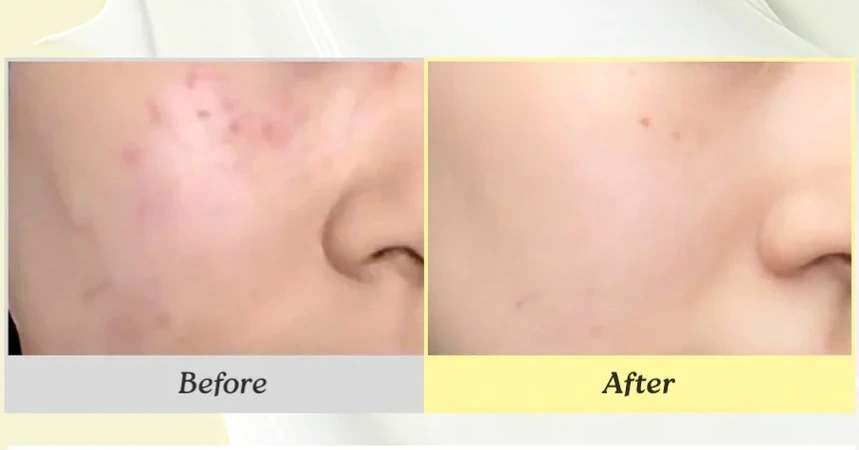
Dr. Althea 345 Relief Cream Benefits: Is It Good for Acne-Prone Skin?
Dr. Althea 345 Relief Cream is a lightweight Korean moisturizer designed to hydrate, soothe irritated skin, and support the skin barrier. Learn about its key ingredients, benefits, skin-type suitability, and use for acne-prone skin.
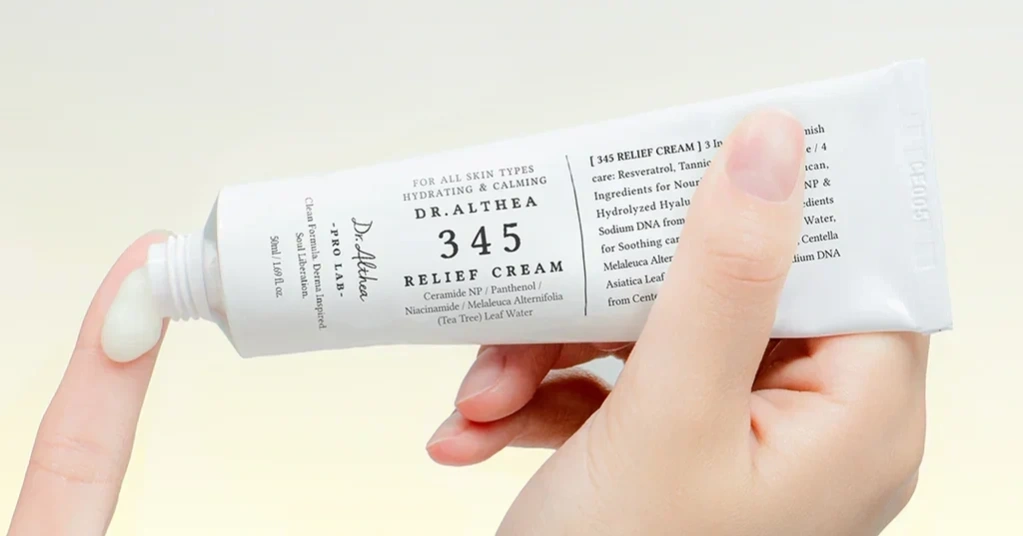
Is the Viral K-Beauty Dr. Althea 345 Relief Cream Worth Buying?
Find the latest Dr. Althea 345 Relief Cream price in Nepal, along with its benefits, how to use it, and where to buy the 50ml cream.